
By David Amoruso for Gangsters Inc.
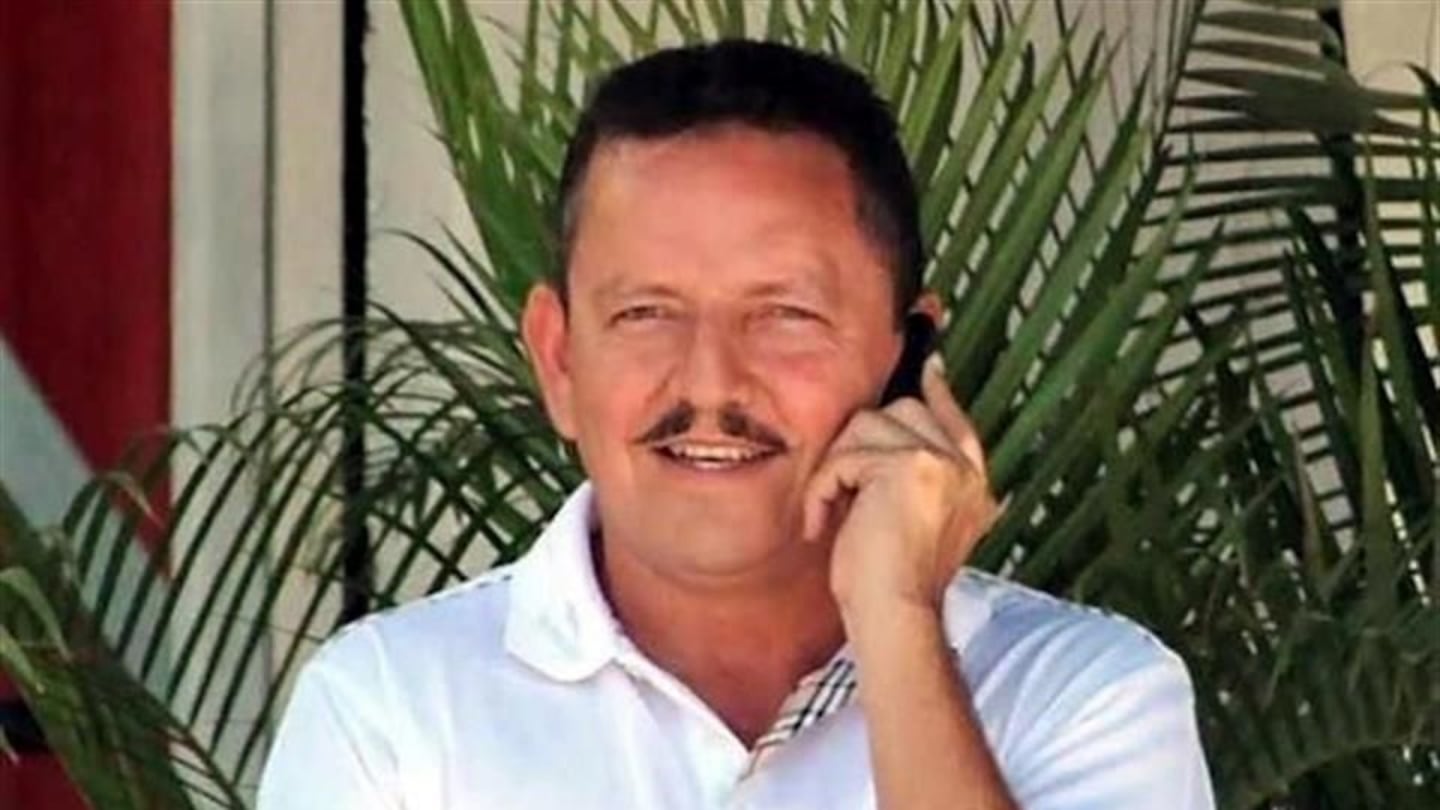
He’s called “El Abuelo,” the grandfather, but make no mistake: Juan José Farías Álvarez is neither benign nor a relic. Born on August 10, 1970, in Tepalcatepec, Michoacán, this once-agrarian local evolved into one of Mexico’s most controversial narco figures. His story is one of rural resistance, cartel politics, splinter wars, and a criminal empire that drew U.S. sanctions and a multimillion-dollar manhunt.
From the farm to narco riches
In his youth, Farías Álvarez showed no signs of the narco kingpin he was to become. He was a son of the soil: an agriculturist, rancher, and cheese merchant. He lived as many in Tierra Caliente did: off the land and in a community where guns were as common as cattle. His early life also included service with the Cuerpo de Defensas Rurales, a rural defense forces meant to protect communities. A role that later blurred into paramilitary violence.
His first recorded arrest dates back to January 31, 1998, when authorities captured him with 127 kilos of marijuana and cannabis seeds in Apatzingán. It was evidence that he was already crossing from rural defense into organized drug trafficking.

By the early 2000s, Mexican intelligence linked him to the Cartel de Los Valencia (also known as the Cartel del Milenio), led by Armando Valencia Cornelio. Farías acted as a lieutenant in that organization, which fought bloody turf battles with La Familia Michoacana and Los Zetas for control over trafficking corridors and local fiefdoms.
The mid-2000s were intense for Mexico’s underworld. The Federal Government’s offensive against Los Zetas and other cartels left a security vacuum in rural Michoacán. In 2006, Farías allegedly formed an armed group called “Antizetas” to expel Zeta fighters from Tepalcatepec.
But the defining turn in his career came in 2013, when civilian self-defense movements, or autodefensas, erupted across Michoacán. Alongside figures like Hipólito Mora and Ángel Gutiérrez, “El Abuelo” became one of the architects of the Tepalcatepec autodefensas, groups initially framed as protectors against Caballeros Templarios violence.
For a time, this role gave him legitimacy. He met publicly with government officials, including then-Comisionado Alfredo Castillo, in efforts to coordinate security. But underneath the activism, he was consolidating a power base that straddled community defense and cartel warfare.
Cárteles Unidos versus the Jalisco New Generation Cartel
After the decline of Los Valencia’s influence, Farías Álvarez morphed his network into what authorities now call Cárteles Unidos (United Cartels), a coalition of criminal factions controlling trafficking and extortion in Tierra Caliente. He imposed “taxes” on local drug markets, including production and transit of methamphetamine, fentanyl, and cocaine, and oversaw import routes from South America.
This rise drew the ire of Mexico’s deadliest narco group, the Cártel de Jalisco Nueva Generación (CJNG). In 2019, a video released by CJNG’s armed wing openly declared war on “El Abuelo,” framing him and his cartel as obstacles to their expansion in Michoacán.
- READ: “El Menchito”| Profile of Ruben Oseguera-Gonzalez, son of the boss of the Cartel de Jalisco Nueva Generación
As the CJNG push intensified, bloodshed escalated. Shootouts, ambushes, and targeted killings became common in Tepalcatepec and surrounding municipios. Farías’s network also fought rival factions like Los Viagras and other offshoots of autodefensas that either allied with or opposed him.
In a brazen display of power, authorities later found that Farías even procured weapons from Central America, including hundreds of AK-47s, MP5s, and grenades and recruited former Guatemalan Kaibiles (special forces comandos) to train and fight against rivals like Los Zetas.

In 2009, Farías Álvarez was jailed for possession of military-grade arms and narcotics. He served over three years in prison before being released. In May 2018, Mexican forces arrested him again in Tepalcatepec on arms and homicide charges tied to CJNG allegiance, but a judge ordered his release amid legal irregularities.
That same year, after his release, residents reportedly greeted him with mariachi bands, a stark symbol of his local influence despite federal pressure. Unbeknownst to him, pressure was about to increase. It all started across the border in Tennessee.
Uncovering the American pipeline
In 2019, two low-level dealers crashed their vehicle near Rockwood, Tennessee, outside Knoxville, and bolted. As they ran, they ditched a hardened protective case stuffed with methamphetamine behind a building. Police caught them within minutes. The drugs stayed behind as evidence.
Federal and state authorities began investigating: wiretaps, search warrants, pole cameras, cell-phone pings. Until one name began surfacing again and again: Eladio Mendoza, a quiet operator believed to be running a major distribution hub in the Atlanta metro area. Mendoza wasn’t flashy. He was the kind of man cartels use as infrastructure, not branding.
By early 2020, surveillance teams tracked Mendoza’s network to a hotel outside Atlanta. Agents watched a courier exit the building carrying nothing more than a large Doritos bag, the kind of thing no one looks twice at. But inside wasn’t junk food. It was cartel freight.
State troopers attempted a stop as the vehicle crossed from Georgia into Tennessee. The driver ran. Then he turned the highway into a war zone, opening fire with an AK-style rifle, striking one trooper in the leg before another officer returned fire and dropped him. Inside the Doritos bag: meth and heroin. The man was a low-level dealer in Mendoza’s network.
When investigators later raided properties tied to Mendoza, they seized multiple phones. Inside the encrypted messages, they found the connective tissue: direct communications between Mendoza and a close associate of Juan José Farías Álvarez. The drugs weren’t domestic. They weren’t regional. They were coming straight from Mexico, funneled through the machinery of Cárteles Unidos.
The Justice Department says Cárteles Unidos’ distribution network spans the United States, with hubs in Dallas, Houston, Atlanta, Kansas City, Sacramento, Los Angeles, Denver and Chicago.
On Mendoza’s land sat a tractor-trailer that had crossed the border from Mexico just days earlier. When agents cut into the floor, they found the architecture of modern narco-engineering: 850 kilograms of methamphetamine hidden inside the truck’s flooring. More narcotics were found inside a bus and a residence on the same property. It wasn’t a stash house. It was a logistics node, a distribution spine in a cartel supply chain.
Then Mendoza disappeared.
Prosecutors say he fled the United States and returned to Mexico. He didn’t make it far. Mendoza was allegedly killed by cartel leadership, executed for one unforgivable sin in the narco economy: allowing U.S. authorities to seize their drugs and their money.
The end?
In the underworld, that’s not a mistake. That’s a death sentence. Especially since it proved to be the start of a serious U.S. crackdown on Farías and his Cárteles Unidos.

The U.S. Department of Treasury and Justice have taken a harsher view. In August 2025, they sanctioned Farías as the principal leader of Cárteles Unidos, alleging his involvement in murders, trafficking operations, and commanding transnational drug shipments into the United States. The U.S. government has offered up to $10 million for information leading to his arrest or conviction.
Juan José Farías Álvarez went from peasant rancher to cartel leader. His career underscores how blurred the lines can become between community defense and organized crime in Mexico’s narco underworld.
- Back to the Drug Cartels section on Gangsters Inc.
- Check out the latest news on organized crime and the Mafia at our news section
- About Gangsters Inc.
Copyright © Gangsters Inc.

Leave a Reply